
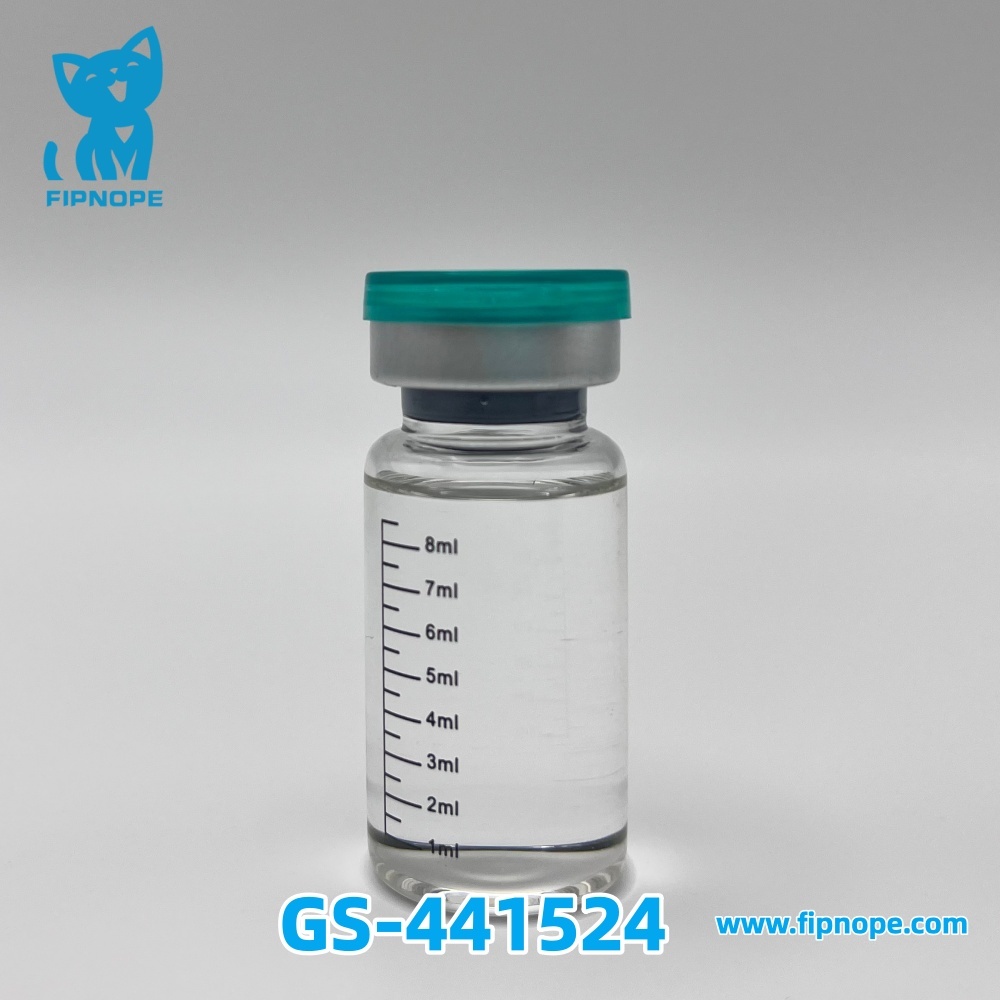
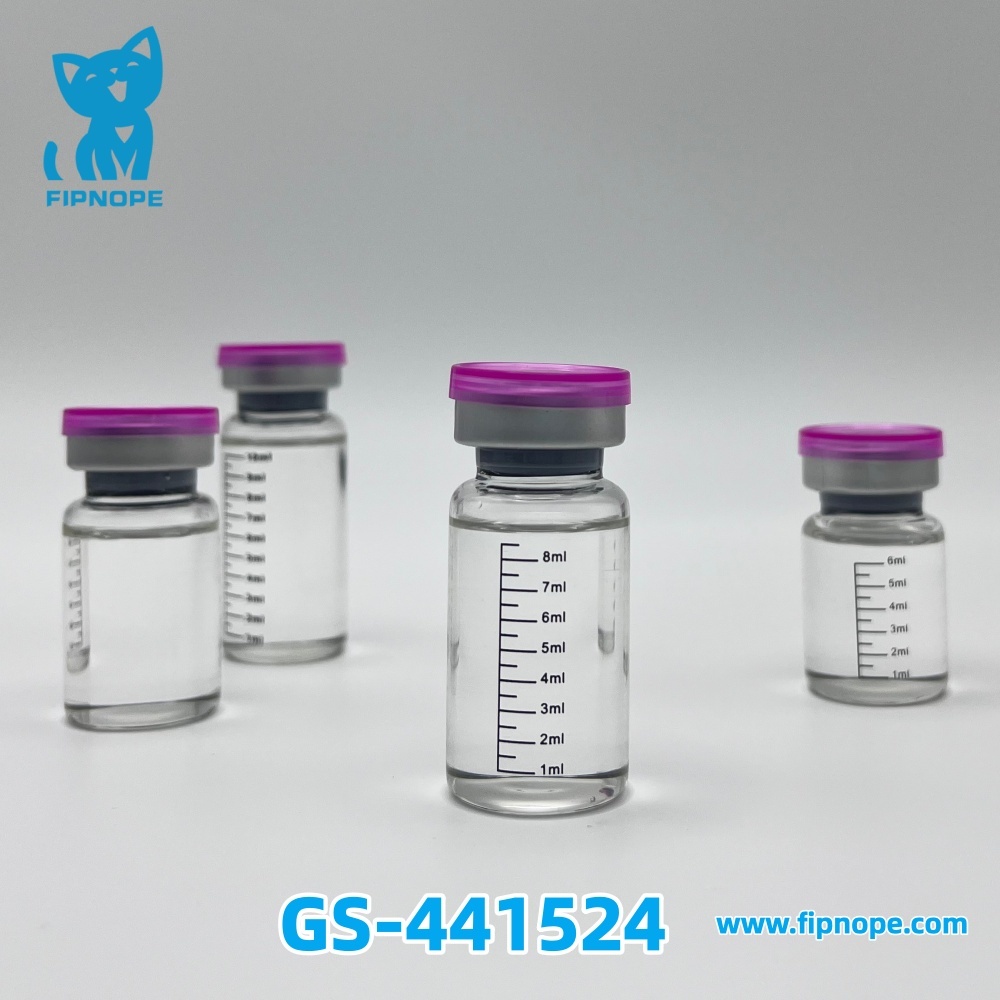
30mg/10ml GS-441524 Injection 3mg/mL Fewer-Vial Dosing Room-Stable Sterile
Product Introduction
A 4kg cat on a subcutaneous course takes a noticeable amount of fluid over 12 weeks, and volume is the part owners feel. The 30mg/10ml vial runs at 3mg/mL, so the same milligram load arrives in a smaller draw. For a clinic working through ten or twenty animals a week, that difference shows up in vial count, fridge shelf space, and how long each injection takes to give.
GS-441524 is the active plasma metabolite of RDV. Its action sits on the viral RNA-dependent RNA polymerase: the molecule docks where a natural nucleoside would, gets incorporated into the copying strand, and halts further extension, so the virus cannot finish replicating inside white blood cells. Because the effect depends on blood levels staying steady, concentration uniformity is checked batch by batch before filling rather than taken from the label.
Technical Parameters:
| Item | Details |
|---|---|
| Product Name | GS-441524 Injection |
| Active Ingredient | GS-441524 (Analytical Grade) |
| Specification | 30mg/10ml (3mg/mL) |
| Purity | 99%+ (HPLC verified) |
| Grade | Pharmaceutical Standard |
| Storage | 2°C – 8°C, refrigerated |
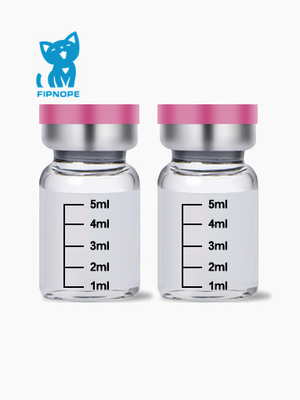
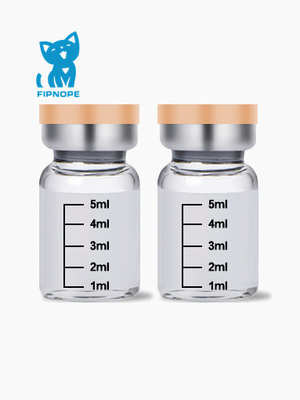
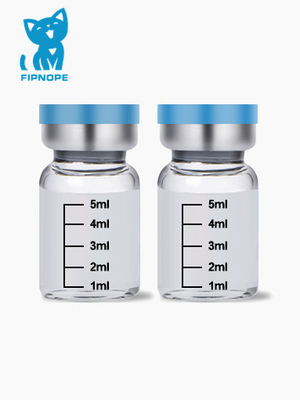
| Packaging | Sealed clear/amber glass vial, crimped |
| Shelf Life | 12 months |
Functional Advantages & Applications
Less volume per dose: at 3mg/mL the drawn volume for a mid-weight adult comes out roughly a third smaller than the 2mg/mL vial, which shortens the injection and leaves less fluid sitting under the skin.
Lower vial count per course: more active material per millilitre translates into fewer purchases and fewer mid-course vial changes for a full 12-week cycle.
Uniform fill: the solution is homogenised and assayed before filling, and each vial's lot number traces back to that record.
Freight efficiency: same vial footprint, higher payload, which helps when a shipment goes by air in a temperature-controlled box.
Typical uses include adult cats in the 3.5–6kg range, multi-cat households and clinic caseloads where staff time per injection counts, long courses where vial count drives cost, and export orders where weight and volume on the airway bill matter.
Volume protocol stays in millilitres per kilogram: 0.4mL/kg plus 0.1mL dead-space residue for wet FIP, 0.7mL/kg plus 0.1mL for neurological or ocular cases. At 3mg/mL this delivers 1.2mg/kg and 2.1mg/kg, which is 1.5 times the milligram load of the 20mg/10ml vial at the same millilitre figure. Do not swap strengths without a written protocol from the prescribing veterinarian.
Storage & Safety
Hold at 2°C to 8°C, upright, in the original carton.Never freeze: crystallisation of the active ingredient is not reversible by warming, and potency does not come back. Avoid vigorous shaking before use, since foam makes an accurate draw difficult. Disinfect the septum each time, use a fresh needle, and dispose of the vial if particulates or discolouration appear.