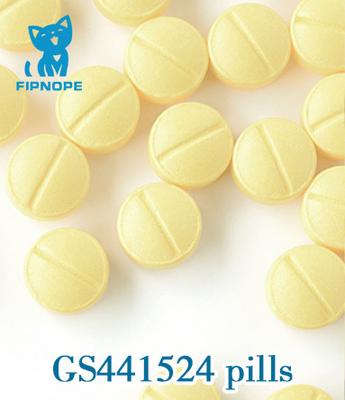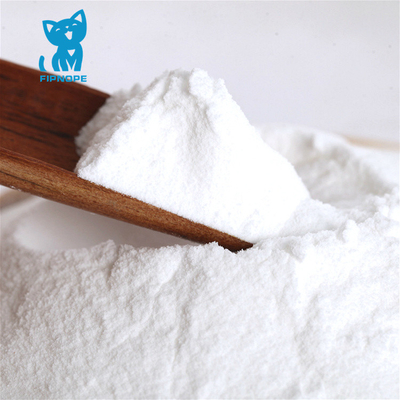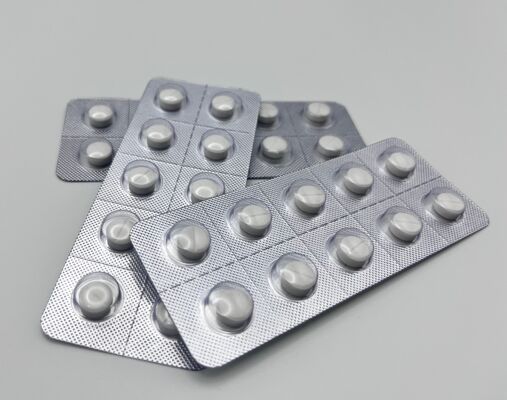


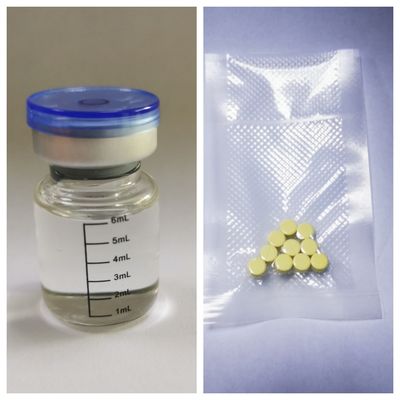
GS-441524 is the primary plasma metabolite of the antiviral prodrug RDV and demonstrates an approximate 24-hour half-life in humans. Research has shown that GS-441524 exhibits strong activity against feline coronavirus strains, which are responsible for the fatal disease Feline Infectious Peritonitis (FIP), as demonstrated in in vitro studies.
FIP develops as a result of an abnormal or deficient immune response. Instead of eliminating the virus, the cat’s white blood cells facilitate viral replication. Cats with little to no effective immune response typically progress to wet (effusive) FIP, while those with a partial immune response tend to develop dry (non-effusive) FIP.
GS-441524 is a nucleoside analog that functions as an alternative substrate during viral replication, leading to premature chain termination. In simple terms, it disrupts the virus’s replication process and prevents further viral multiplication. Due to this mechanism of action, GS-441524 has emerged as a promising antiviral compound in the management of this life-threatening feline disease.
| Parameter | Value |
|---|---|
| Specification | 20mg/mL, 30mg/mL |
| Product Shelf Life | 1 Year |
| Product Form | Injections |
| Product Packaging | 10 Vial Per Box |
| Shipping Method | Air(UPS, FedEx, TNT, EMS) Or Sea |
| Product Usage | Cat FIPV Treatment |
| Product Type | Liquid |
| Test Method | HPLC UV |
| Molecular Weight | C12H13N5O4 |
| Product Storage | Store In A Cool, Dry Place |
| Product Name | GS441 FIP Treatment |
| Product Characteristics | Cat FIP, RDV intermediate |
Packing: 1 box * 10 vials
Recommended treatment: 12 weeks.
Recommended dosage:*DOSAGE IS BASED ON THE WEIGHT AND SYMPTOMS*
Ascites / pleural effusion: 0.5mL/kg * body weight kg + 0.1 residue
FIP(Wet):0.4mL/kg * body weight kg + 0.1 residue
FIP(Dry): 0.6mL/kg * body weight kg + 0.1 residue
Eye / nerve entry: 0.7mL/kg * body weight kg + 0.1 residue
Recurrence: 0.9 mL/ kg * body weight kg + 0.1 residue
Storage
Store at room temperature or Store at 2~4 ° C (Better). Avoid light. Shelf life is one year.
Do not place in a sub-zero environment. Because this will result in the precipitation of active ingredients and the appearance of crystals, thus affecting the concentration and therapeutic effect.
1. Injection technique
Avoid injecting too superficially, as this may cause localized swelling. Leakage of the solution may irritate the skin.
If medication leaks onto the skin, wipe and clean the area immediately.
If swelling occurs, apply a warm compress to the affected area for 5–10 minutes.
2. Supportive therapy
Cats with FIP often experience severe inflammation, anemia, and liver or kidney impairment.
Based on examination results, supportive medications such as liver support, anti-inflammatory agents, kidney supplements, and hematinic products are recommended during treatment.
3. Treatment response monitoring
Individual absorption and response may vary. Most cats show gradual improvement within 3–5 days of treatment.
If no improvement is observed after 7–10 days, the cat should be re-examined promptly to rule out other concurrent conditions or secondary infections.
4. Treatment scope
This injection is intended only for the treatment of FIP.
If the cat has additional diseases, those conditions must be treated concurrently with appropriate medications.
5. Treatment duration recommendations
For abdominal (wet) FIP, a minimum of 45 days is recommended.
Treatment should continue until other clinical indicators are normal and the albumin-to-globulin (A/G) ratio exceeds 0.7, which is a key marker.
Research suggests continuous injection for 12 weeks as a standard treatment course. While not suitable for every cat, it applies to the majority.
Early discontinuation increases the risk of relapse, often requiring double dosage, higher costs, and increased discomfort for the cat.
When financially feasible, completing close to 12 weeks of treatment significantly reduces recurrence risk.
Criteria for stopping treatment:
Normal blood routine results, normal lymphocyte percentage, normal biochemical indicators, and globulin levels within the reference range.