
March 30, 2026

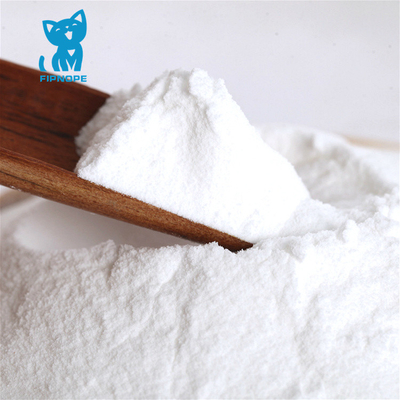
Feline Infectious Peritonitis (FIP) is one of the most devastating diagnoses for cat owners. Fortunately, modern antiviral developments have made this disease treatable. However, in an attempt to reduce costs, some owners consider administering raw GS-441524 powder directly. This approach carries significant risks and is strongly discouraged.
1. Inaccurate Dosing: A Major Concern
(1) Risk of Overdose
The dosage of GS-441524 must be carefully calculated based on the cat’s body weight and the specific type of FIP (wet, dry, neurological, or ocular). Even a slight measuring error when using raw powder can result in excessive dosing, potentially causing toxicity or severe adverse reactions.
(2) Risk of Underdose
On the other hand, insufficient dosing may lead to treatment failure or relapse. If the antiviral level is too low, the virus can continue replicating, worsening the condition. Proper formulation ensures consistent and effective drug delivery, which cannot be guaranteed with unprocessed powder.
2. Physical Risks of Administering Powder
(1) Respiratory Irritation
Fine powder particles can easily become airborne during handling. Cats have highly sensitive respiratory systems, and inhalation may cause coughing, irritation, or discomfort.
(2) Aspiration Pneumonia
Attempting to feed powder directly increases the risk of aspiration, where particles enter the lungs instead of the digestive tract. This can lead to serious complications, especially in cats already weakened by FIP.
3. Stress and Palatability Issues
(1) Strong Bitter Taste
GS-441524 in its raw form has an intense bitter flavor. Mixing it with food often results in food refusal, which can negatively impact recovery.
(2) Increased Stress
Forcing a cat to consume unpleasant substances daily over a long treatment period (typically 12 weeks) can cause significant stress. Elevated stress levels may weaken the immune system and slow recovery.
4. Limitations of Unformulated Compounds
(1) Poor Stability
Without proper formulation, the compound may degrade in the acidic environment of the stomach, reducing its effectiveness.
(2) Low Bioavailability
Raw powder is not optimized for absorption. Professionally developed formulations are designed to improve how much of the drug enters the bloodstream and becomes effective.
5. Safer and More Reliable Alternatives
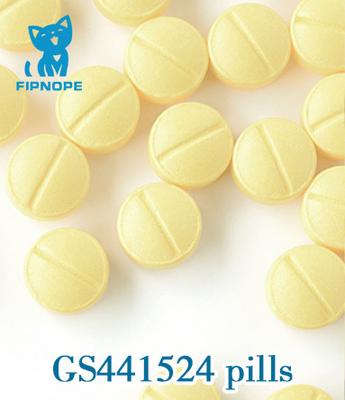
(1) Pre-measured Oral Tablets
Formulated tablets provide accurate dosing and are easier to administer. They are designed to improve palatability and ensure consistent intake.
(2) Sterile Injectable Solutions
Injectable forms offer rapid and reliable absorption, particularly useful in severe cases or when the cat has a poor appetite.