
May 9, 2026

For many cat owners, a diagnosis of Feline Infectious Peritonitis (FIP) once felt overwhelming and hopeless. Fortunately, advances in antiviral research have changed the outlook dramatically. Today, with proper treatment and consistent care, many cats are able to recover and return to healthy, active lives.
Our mission is to help cats fighting FIP by providing high-quality antiviral solutions such as GS-441524 and Molnupiravir. However, successful treatment is not only about the medication itself. The daily process of giving medicine over an 84-day treatment cycle can also become physically and emotionally exhausting for both cats and their owners.
That’s why we focus not only on effectiveness, but also on making treatment easier, gentler, and less stressful.
1. Why Medication Taste Matters in FIP Care
(1) The Challenge of Bitter GS-441524
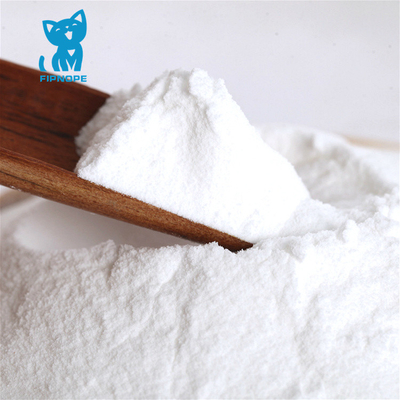
High-purity GS-441524 powder is an important pharmaceutical ingredient, but its naturally bitter taste makes direct oral use difficult for cats. Cats are extremely sensitive to flavor, and bitter substances often trigger strong rejection responses such as excessive drooling, foaming, or refusal to swallow.
For cats already weakened by FIP, this unpleasant experience can create additional discomfort and stress.
(2) Palatability Supports Better Treatment Consistency
FIP recovery depends heavily on consistent daily dosing over several weeks. If medication becomes associated with unpleasant experiences, cats may begin avoiding food, hiding from owners, or resisting treatment altogether.
Improving GS-441524 palatability is therefore not just about convenience — it directly supports treatment consistency and helps ensure cats receive the correct daily dosage throughout recovery.
2. The Impact of Stress During Long-Term Treatment
(1) Stress Can Reduce Medication Compliance
In veterinary medicine, maintaining consistent medication schedules is critical. When dosing becomes a daily struggle, owners may unintentionally skip doses or reduce amounts to avoid upsetting their pets.
At the same time, chronic stress can negatively affect a cat’s immune system, which is already under strain from FIP. Creating a calmer treatment experience may help support overall recovery.
(2) Daily Struggles Can Affect the Human–Pet Bond
Repeated force-feeding or stressful medication routines can damage trust between cats and their owners. Cats are highly sensitive to routines and emotional changes. If treatment time consistently feels frightening or uncomfortable, they may become anxious or withdrawn.
Stressful administration can also increase the risk of accidental scratches, improper dosing, or aspiration during forced swallowing.
Because of this, many owners now prefer treatment options designed for easier administration and reduced stress.
3. Benefits of Choosing Oral FIP Treatment Options
(1) Protecting the Relationship Between Owner and Cat
Treatment should support healing without causing unnecessary fear or conflict. Easier-to-administer oral options can help preserve trust and reduce stress during long-term care.
(2) Supporting Better Quality of Life During Recovery
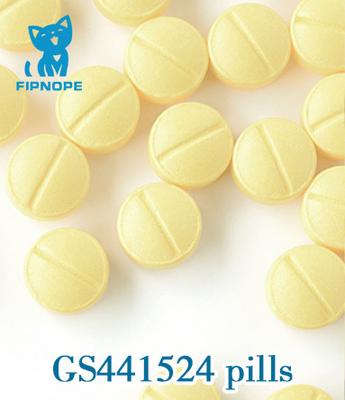
Many cats receiving antiviral therapy begin showing improvements in appetite, energy, and activity within the first several days of treatment. Combining effective medication with lower-stress administration can make the recovery process smoother and more comfortable overall.
In addition to oral tablets, we also provides injectable GS-441524 options for situations where rapid intervention may be necessary.
4. Conclusion
Recovering from FIP requires patience, consistency, and compassionate care. We believe treatment should be both effective and manageable for everyday life.
By improving medication palatability and offering practical oral formulations, we aim to reduce the stress commonly associated with long-term FIP therapy. From small kittens needing lower-dose tablets to larger cats requiring stronger formulations, our products are designed to support a more comfortable recovery journey.