
May 9, 2026

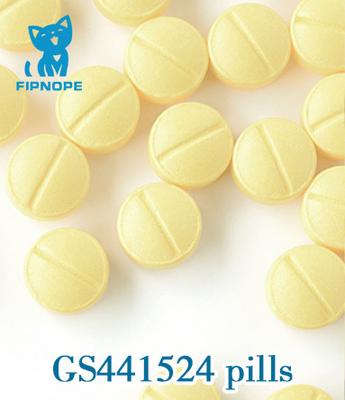
Feline Infectious Peritonitis (FIP) was once considered a fatal disease in cats. However, with the development of antiviral compounds such as GS-441524, many cats are now achieving full recovery.
This is a real FIP recovery case showing how early diagnosis and proper treatment support helped a kitten successfully overcome wet FIP and return to a healthy life.
1. About This FIP Case
The kitten’s owner first noticed abnormal behavior and appetite loss, which quickly progressed into abdominal fluid accumulation. After veterinary testing, the diagnosis of wet FIP was confirmed.
2. Early FIP Symptoms and Diagnosis
FIP symptoms can often be mistaken for other common feline illnesses in the early stage. In this case, the kitten showed:
After blood testing and clinical evaluation, the veterinarian confirmed Feline Infectious Peritonitis (wet form).
This diagnosis is often emotionally devastating for pet owners due to the historical fatal prognosis of the disease.
3. Starting GS-441524 FIP Treatment
After researching modern treatment options, the owner began GS-441524-based therapy with guidance from the support team at FIPNOPE
.
Key support included:
Treatment was started immediately after diagnosis confirmation.
4. Recovery Progress Timeline
Week 1–2: Initial Response
Week 3–4: Visible Improvement
Week 5–8: Strong Recovery Phase
Week 8–12: Full Recovery Stage
5. 84-Day FIP Treatment Outcome
After completing the full 84-day GS-441524 treatment protocol:
The owner reported that the cat “returned to being completely healthy and active like before the illness.”
6. What This Case Shows About FIP Treatment
This case demonstrates several important SEO-relevant insights:
Today, FIP is no longer a hopeless diagnosis when proper antiviral treatment is applied.
7. FIP Treatment Support and Resources
For more information about FIP treatment protocols, GS-441524 usage, and case support, visit:
www.fipnope.com
FIPNOPE provides treatment guidance and support for cat owners dealing with Feline Infectious Peritonitis, helping improve recovery success rates through structured antiviral protocols.